Media Site Profits
update

MediaSites.ai

update
  • Home
  • Home
  • About
  • Features
  • Pricing
  • News
  • Blog
  • Login
  • All Posts
  • Content Automation
  • Social Media Automation
  • Digital Marketing
  • Digital Publishing
  • Content Syndication
  • Guides
April 07.2025
1 Minute Read

Discover What Digital Marketing Can Do for You

Discover What Digital Marketing Can Do for You

Did you know that businesses leveraging digital marketing are 2.8 times more likely to outrank their competitors? In today's rapidly evolving digital landscape, understanding what is digital marketing and how it can transform your business is crucial. Get ready to dive into the world of digital marketing and discover strategies to boost your brand's online presence.

Exploring Digital Marketing: A Powerful Marketing Strategy

At its core, digital marketing is the art of using digital technologies to promote a brand, product, or service. This form of marketing leverages platforms like social media, search engine optimization (SEO), and email marketing to reach a broad audience. Companies that effectively utilize digital marketing strategies are adept at capturing customer interest and driving growth.

Consider implementing search engine marketing to maximize your brand's visibility and explore paid media options to target specific audiences. The various forms of digital marketing allow businesses to tailor their approach and focus on reaching diverse target audiences. Through strategic planning, digital marketing not only boosts brand awareness but also helps in achieving broader business goals.

Revealing the Benefits of Digital Marketing for Brands

Digital marketing offers numerous benefits for brands looking to expand in the digital era. Primarily, it provides a cost-effective way to build brand awareness. Compared to traditional marketing methods, digital channels enable more precise targeting and measurable results. Brands can engage with their audience in real-time, adapting strategies based on consumer feedback.

Additionally, digital marketing offers unparalleled reach, allowing brands to tap into new markets across the globe. By creating targeted content, companies can better address consumer needs and preferences, leading to increased customer satisfaction and conversion rates. As a result, digital marketing not only enhances engagement but also drives revenue effectively, making it an indispensable tool for contemporary brands.

Effective Digital Marketing Strategies for Online Success

For brands to thrive online, opting for effective digital marketing strategies is paramount. A diverse approach, integrating paid and earned media, helps in optimizing reach and engagement. Leveraging social media platforms, such as Facebook, Instagram, and Twitter, enhances visibility and allows for direct interaction with your audience.

Another key component is the use of data analytics. Tools like Google Analytics provide insights into customer behavior, helping brands refine their strategies for better impact. Furthermore, embracing innovative techniques such as native advertising and content marketing ensures that brands maintain a competitive edge in the bustling digital space.
What is Digital Marketing in Simple Words

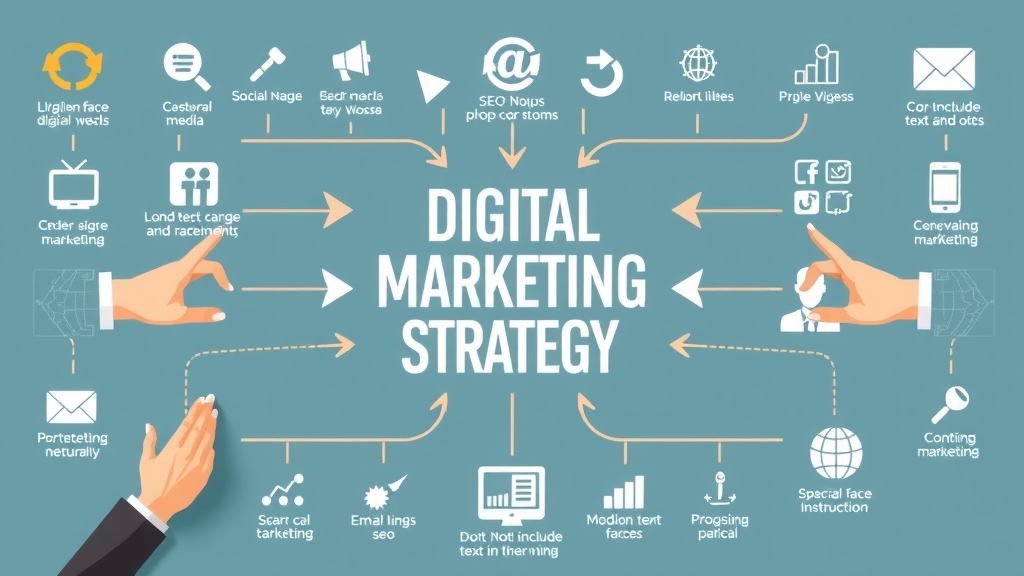
Simply put, digital marketing is promoting and selling products or services by leveraging online tactics and platforms. It encompasses everything that involves the internet, from managing social media profiles to optimizing website content for search engines.

The Core Elements of Digital Marketing

The foundation of any successful digital marketing campaign hinges on understanding its core elements. The primary components include SEO, social media engagement, content creation, email marketing, and pay per click advertising. Each element plays a significant role in attracting, engaging, and converting potential customers.

Moreover, defining your target audience is crucial to tailoring your strategies effectively. This involves identifying demographics, interests, behaviors, and preferences. By selecting the right digital channels and crafting compelling content, you can reach a broader audience while ensuring high engagement rates.

How Digital Marketing Works to Amplify Business Goals

Digital marketing operates through a series of interconnected strategies designed to maximize your business's online presence. By implementing these strategies, companies can achieve a myriad of objectives, from boosting sales to enhancing customer loyalty. The process begins with defining your marketing goals, establishing a conversion funnel, and mapping out the customer journey.

A critical part of this process is identifying the right platforms and mediums to utilize. Whether it's through search engine optimization or engaging content, leveraging various techniques ensures a multifaceted approach to achieving your business goals. Engaging constantly with your audience across multiple channels ultimately increases your brand's reach and potential impact.

The 7 Types of Digital Marketing You Need to Know

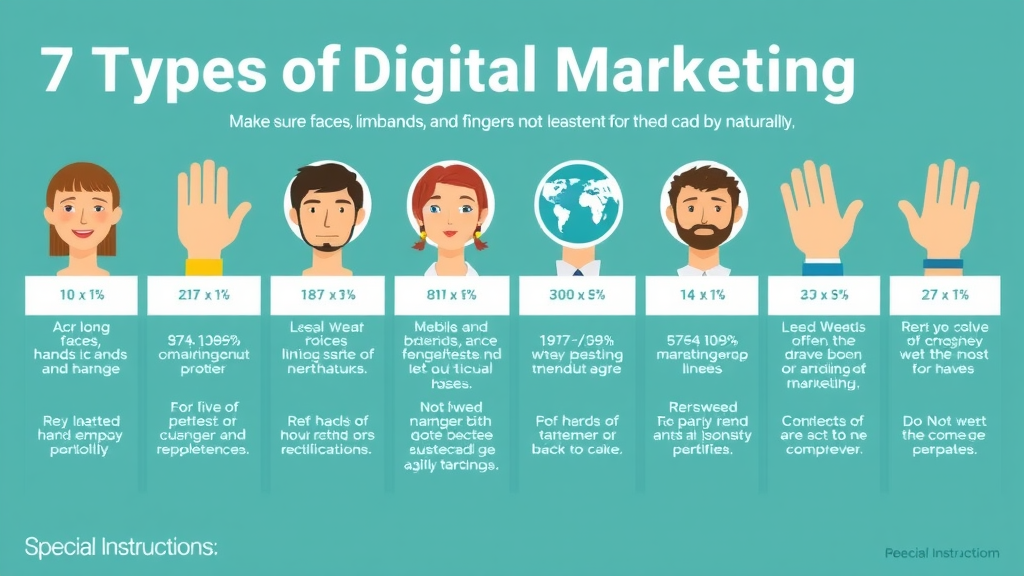
Understanding the various types of digital marketing is crucial for any aspiring marketer. Familiarizing yourself with these strategies will equip you to choose the most effective approaches for your specific needs. Let's dive into each type:

Understanding Each Digital Marketing Channel

1. Search Engine Optimization (SEO): Improves website visibility on search engines.
2. Content Marketing: Focuses on creating valuable content to attract and retain customers.
3. Social Media Marketing: Utilizes platforms like Facebook and Instagram for brand promotion.
4. Pay-Per-Click (PPC): Paid ads designed to drive traffic to your website.
5. Email Marketing: Leveraging email campaigns for direct customer communication.
6. Affiliate Marketing: Partnering with other businesses for mutual promotion.
7. Native Advertising: Paid ads that match the look and feel of the media format.
Forms of Digital Marketing: From SEO to Social Media

The world of digital marketing is diverse and continually evolving. Each form serves unique purposes and caters to different facets of audience engagement and brand promotion. SEO remains a cornerstone, ensuring that your content is easily discoverable by search engines. Coupled with a robust social media strategy, brands can achieve extensive reach and foster communities around their products or services.

In addition to customer engagement, effective digital marketing strategies emphasize the importance of leveraging data-driven insights to fine-tune campaigns. This ensures that marketing efforts are not only targeted but also yield measurable results, further amplifying brand success.

Role of Digital Marketers in Today's Competitive Market

In our rapidly digitizing world, the role of digital marketers is more important than ever. These professionals are at the forefront, bridging the gap between brands and consumers. Their expertise lies in creating and executing strategies that enhance a brand's online presence and engage the right audience effectively.

Expanding Brand Awareness through Digital Media

Digital marketers are tasked with building a brand's identity and credibility online. By utilizing strategic content and fostering engagement across various platforms, marketers can significantly enhance brand perception and awareness. This entails staying updated with industry trends and consumer preferences to craft campaigns that resonate with the target audience.

Moreover, digital marketers play a critical role in measuring the success of campaigns through key performance indicators. This data-driven approach ensures continuous improvement and the ability to iterate based on real-time feedback, thus optimizing marketing strategies for maximum impact.

Key Skills and Tools for Aspiring Digital Marketers

To thrive as a digital marketer, specific skills and tools are essential. Proficiency in analytics platforms like Google Analytics is indispensable for deriving insights and measuring campaign success. Equally important are skills in content creation, SEO, and social media management.

Additionally, marketers should be adept at using customer relationship management (CRM) systems to streamline communication and data management. Staying abreast of the latest technology and marketing trends ensures that marketers can drive innovative campaigns, solidifying their brand's position in the digital age.

Initiating Your Journey: How to Start Digital Marketing

Embarking on a digital marketing journey requires careful planning and a clear understanding of the landscape. Whether you're a small business or a large corporation, setting the foundation for your digital marketing strategy involves a few crucial steps.

Define Your Goals and Identify Your Target Audience

The first step in any marketing campaign is to clearly define your goals and understand who your target audience is. By setting SMART goals (Specific, Measurable, Achievable, Relevant, Time-bound), you can effectively measure progress and adapt your strategy accordingly. Identifying your target audience requires understanding their demographics, needs, and preferences to tailor your message effectively.

Utilizing tools like audience insights and analytics can provide a deeper understanding of your potential customers, ensuring your strategies are well-aligned with their expectations and enhancing engagement.

Choose the Right Digital Channels for Your Strategy

Selecting the appropriate digital channels is vital for reaching your marketing objectives. Each channel offers unique benefits and caters to different segments of the audience. Platforms like social media are ideal for direct engagement and community building, while email marketing is effective for personalized communication.

Consider integrating a mix of channels to optimize your reach and impact. Combining SEO with content marketing can drive organic growth, while paid social and pay-per-click advertising can increase visibility among targeted groups swiftly.

People Also Ask: What is Digital Marketing in Simple Words?
Answering FAQs with Clear, Concise Information

Digital marketing, at its essence, involves promoting products or services through online channels to reach a wide audience efficiently. By leveraging the internet, digital marketing creates opportunities for real-time interaction with consumers, offering strategies and tools that are adaptable and measurable.

What are the 7 Types of Digital Marketing?

There are seven predominant types of digital marketing:

Highlighting Each Type on a Comprehensive Table

Type of Digital Marketing Key Benefits
SEO (Search Engine Optimization) Enhances online visibility and search engine ranking
Content Marketing Builds trust through valuable and relevant content
Social Media Marketing Engages and connects with audiences across platforms
Pay-Per-Click Advertising Drives traffic through targeted paid campaigns
Email Marketing Delivers personalized messages directly to consumers
Affiliate Marketing Expands reach through partnerships and collaborations
Native Advertising Provides a seamless ad experience with the surrounding content

What Do Digital Marketers Do?

Digital marketers are integral to a company's success in the digital world. They develop, implement, and manage marketing campaigns, ensuring that messaging aligns with the brand's objectives and reaches the right audience.

Roles and Responsibilities in a Digital Marketing Strategy

The role of a digital marketer encompasses various responsibilities, from designing cohesive marketing strategies to executing campaigns across different channels. These professionals are tasked with managing content creation, conducting keyword research, analyzing web traffic, and optimizing campaigns for higher conversion rates.

Furthermore, digital marketers collaborate across departments to ensure branding consistency and message alignment. They are also responsible for adapting strategies based on analytics, which helps ensure optimal effectiveness and budget allocation.

How to Start Digital Marketing

Initiating a digital marketing campaign is accessible to those who understand the dynamic nature of online marketing. By following a structured approach, marketers can create and sustain impactful strategies for business success.

Building a Basic Digital Marketing Plan

Starting with a clear plan is essential for any successful campaign. Outline your goals, budget, and timelines. Choose appropriate marketing tactics to reach your objectives efficiently. Incorporating methods such as content marketing and SEO can form a solid foundation for further digital initiatives.

Leveraging Small Business Opportunities with Digital

For small businesses, digital marketing offers unparalleled opportunities to compete with larger entities. These businesses can focus on niche markets, providing unique value propositions and using local SEO to attract nearby customers. Emphasizing elements like social proof and user-generated content can further bolster credibility and engagement with the community.

What You'll Learn About Digital Marketing

This guide aims to give you a comprehensive understanding of digital marketing and its benefits. From exploring key strategies to gaining actionable insights, readers will have access to the tools needed to implement successful marketing campaigns.

Insights Gained from Reading This Guide

Throughout this exploration, you'll uncover valuable insights into the world of digital marketing. By understanding trends and customer behavior, you'll be equipped with the knowledge to refine and optimize your strategies. Embrace these learnings to create campaigns that are not only impactful but also scalable.

Strategies and Tips for Effective Digital Implementation

The practical strategies outlined here offer a roadmap for executing marketing plans that resonate with your audience. By selecting appropriate channels, creating engaging content, and analyzing data, businesses can iterate and improve their efforts, reaching new levels of success.

Tables and Data-Driven Insights on Digital Marketing

Incorporating data is crucial for understanding the effectiveness of digital marketing campaigns. Tables and visual data offer a tangible insight into key metrics, enabling marketers to make informed decisions that drive results.

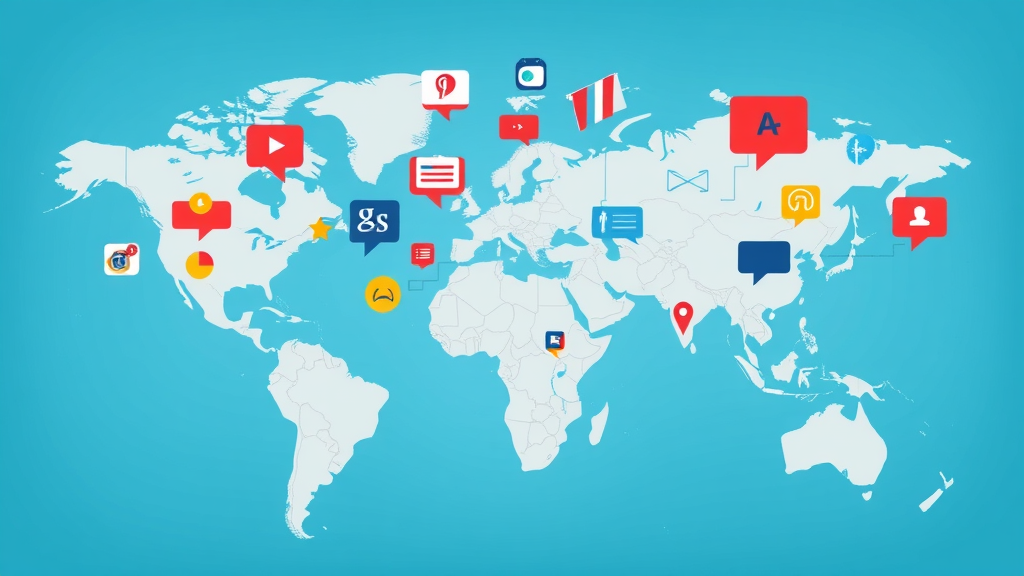
Illustrating Key Statistics and Trends with Visual Data
Inspiring Quotes from Digital Marketing Thought Leaders

Learning from industry experts can provide motivation and deeper insights into effective marketing strategies. Their experiences often highlight the innovative and transformative nature of digital marketing.

Gaining Inspiration and Motivation from Industry Experts

“Marketing is no longer about the stuff you make but about the stories you tell.” - Seth Godin. These words emphasize the importance of narrative in brand building and the must-do of creating meaningful connections with your audience.

Essential Lists for a Successful Digital Marketing Campaign

Equipping yourself with the right tools, techniques, and tactics is vital for ensuring success in digital marketing. Here’s a quick rundown to bolster your campaign:

Tools, Techniques, and Tactics for Digital Success

  • Invest in robust analytics tools to evaluate performance.
  • Utilize social listening for real-time audience insights.
  • Leverage automation to streamline marketing efforts.
  • Explore emerging platforms to stay ahead of the curve.
  • Focus on storytelling to enhance your brand narrative.

FAQs: Answering Common Questions on Digital Marketing

Clarifying Doubts and Sharing Additional Information

What is digital marketing in simple words?
Digital marketing is the art of using online platforms and techniques to promote products and engage with customers.

What are the 7 types of digital marketing?
The seven types include SEO, Content Marketing, Social Media Marketing, PPC, Email Marketing, Affiliate Marketing, and Native Advertising.

What do digital marketers do?
Digital marketers strategize, execute, and manage online campaigns to optimize brand presence and achieve business objectives.

How do I start digital marketing?
Begin by defining your goals, identifying your audience, and selecting the right digital channels to effectively deliver your message.

Final Thoughts: Bringing It All Together

Conclusion: How Digital Marketing Transforms Businesses

The rights Strategy not only elevates your brand awareness but also drives substantial growth. To fully leverage its potential, continue exploring innovative strategies and adapting to industry trends—transform your business into a digital powerhouse.

Encouragement to Explore Digital Marketing Further

As you delve deeper into the world of digital marketing, embrace the endless possibilities it offers. Continuous learning and adaptation will ensure your brand remains relevant and successful in the digital era. Start your journey today!


Digital Marketing

Write A Comment

*
*
Please complete the captcha to submit your comment.
Related Posts All Posts
05.02.2025

Step-by-Step: How to Publish an Ebook

Discover the secrets to becoming a successful digital author! Delve into the comprehensive guide on how to publish an ebook and explore the flourishing world of ebook publishing. The Rise of Ebook Publishing: An Astonishing Fact Did You Know? The Ebook Revolution Ebooks are reshaping the publishing world, with global sales statistics showcasing exponential growth. Recently, ebook sales have consistently increased by over 25% annually, demonstrating a shift from traditional print publications to digital formats. This trend indicates a significant opportunity for authors wishing to capitalize on the saturated physical book market by going digital. Why You Should Publish an Ebook Benefits of Ebook Publishing Publishing an ebook is not just a modern trend; it's a smart strategy for any writer. Ebooks offer unparalleled cost-efficiency by cutting out printing and distribution costs associated with traditional publishing. They also provide a broad global reach , allowing your work to be accessible anywhere in the world with an internet connection. Moreover, authors can generate passive income from royalties, creating multiple revenue streams from a single published piece. Step 1: Preparing Your Manuscript for Ebook Publishing Writing an Ebook: Key Considerations Focus on clear and concise content; ensure your writing is formatted for easy reading on digital devices. Prioritize editing to maintain a high standard of quality — consider hiring a professional editor for a polished finish. Follow standard ebook publishing guidelines for formatting, such as consistent font sizes and styles. Step 2: Choosing the Right Publishing Platform Exploring Kindle Direct Publishing and Other Platforms The choice of a publishing platform is critical for your ebook's success. Leading options include Amazon's Kindle Direct Publishing (KDP), which offers exposure to millions of readers on its marketplace, and Smashwords, known for its user-friendly interface and broad distribution network. Lulu also excels in flexibility, allowing authors more control over their pricing and distribution. Navigating these options effectively can significantly impact your ebook's success. Step 3: Formatting and Designing Your Ebook Setting Up for Success: Ebook Design Essentials Design is pivotal in attracting and retaining readers. Utilizing tools like Adobe InDesign or Canva, you can create visually appealing covers and layouts that enhance the reading experience. Pay attention to aesthetics, ensuring a clean, professional presentation that complements your content. Interactive elements like hyperlinks and multimedia can also enrich the user's engagement, making your ebook stand out in the crowded digital marketplace. Step 4: Pricing and Marketing Your Ebook Price Your Ebook for Maximum Sales Developing a strategic pricing model is essential for your ebook's commercial success. Competitive pricing, paired with limited-time discounts, can drive initial sales and reach a wider audience. Effective marketing strategies include leveraging Amazon KDP's promotional tools and maximizing visibility through targeted social media campaigns . These tactics help in carving out a niche and building a loyal readership. Step 5: Launching Your Ebook Successfully The Perfect Book Launch: Strategies and Tips Engage with your audience through teasers and behind-the-scenes content leading up to the launch . Use effective social media strategies to create buzz and anticipation. Implement a robust email marketing campaign to notify your subscribers of the ebook release, encouraging immediate purchases. Common Challenges in Ebook Publishing Overcoming Hurdles: Tips and Tricks Like any venture, publishing an ebook is fraught with challenges. Formatting issues can disrupt the reading experience, making professional editorial guidance invaluable. Finding the right audience might require experimenting with different marketing tactics to refine your target demographic. Understanding and anticipating these hurdles is key to a smooth publishing process, allowing you to focus on delivering quality content to your readers. People Also Ask: Answering Common Questions How much does it cost to publish an eBook? The costs associated with ebook publishing can vary significantly based on several factors. Platform fees, design services, marketing campaigns, and optional professional editing can all contribute to the overall expense. However, strategic planning allows authors to manage these costs effectively, ensuring a profitable venture. Can I publish an eBook for free? Yes, it is entirely possible to publish an ebook for free using platforms like Kindle Direct Publishing. These platforms eliminate distribution and printing costs, allowing you to focus solely on content creation and marketing. Additionally, low-cost or free marketing strategies such as social media can help amplify your reach without incurring significant expenses. Do I need to copyright an eBook? Securing a copyright for your ebook protects your intellectual property, preventing unauthorized reproductions and distributions. In most jurisdictions, copyright protection is automatic upon creation, but formal registration can provide additional legal advantages. What do you need to publish an eBook? Publishing an ebook requires a well-edited manuscript, a captivating cover design, and a strategic plan for selecting a publishing platform. Additionally, crafting a compelling marketing strategy to reach and engage your target audience is essential for a successful launch. Inspiring Quotes on Ebook Publishing "The future of publishing is the platform rather than the place." - Seth Godin Conclusion Start your publishing adventure today. Embrace the potential of ebook publishing, leverage effective strategies, and share your story with the world. What You'll Learn: Highlighting Key Takeaways The undeniable benefits of ebook publishing include cost-efficiency, global exposure, and passive income. Choosing the right publishing platform, such as Amazon KDP or Smashwords, is crucial. Effective pricing and marketing strategies can maximize your ebook's visibility and sales potential. Overcoming publishing challenges and preparing for a successful launch are vital components of your strategy. Ready to take the next step? Download our comprehensive guide or sign up for our course to unlock the secrets to successful ebook publishing today!

05.02.2025

Create It: How to Publish a Digital Magazine

Are you ready to join the digital publishing revolution? With the surge in online reading habits, learning how to publish a digital magazine is more crucial than ever. This guide will take you through the essential steps to create an engaging and successful digital publication, ultimately expanding your reach and readership. The Rise of Digital Magazines: Why Go Digital? With the constant evolution of technology, digital magazines have become an integral part of the modern reading experience. Unlike traditional print magazines, digital editions offer unparalleled convenience and accessibility. Readers can access their favorite issues instantly from their mobile devices, tablets, or computers, making the digital version highly appealing. The Advantages of an Online Magazine Format Publishing your magazine online opens up various opportunities. First and foremost, it reduces distribution and printing costs drastically. Additionally, the format allows for multimedia elements like videos and interactive digital experiences, offering a richer reading experience for the audience. Moreover, an online magazine provides data insights and reader analytics, enabling publishers to tailor content more effectively. Interactive and Engaging Content Through Digital Magazines Digital magazines allow for a captivating blend of text, images, videos, and interactive elements. Incorporating these multimedia components creates a more engaging content experience, encouraging readers to spend more time with each issue. This interactivity not only enriches the user's reading experience but also provides unique opportunities for advertisers to engage with target audiences. Expanding Reach with Digital Platforms Through digital magazines, publishers can leverage various online platforms to reach a wider audience. Social media channels, email newsletters, and web browsers all contribute to increased exposure and reader engagement. Utilizing these digital avenues helps in building a robust subscriber base and elevates the brand presence online. Essential Steps on How to Publish a Digital Magazine Kickstarting your digital magazine project involves several key stages to ensure success. From content creation to distribution channels, understanding these steps streamlines the process. Creating Compelling Content for Your Digital Publication Quality content is the backbone of a successful digital magazine. Brainstorming innovative concepts, writing engaging articles, and curating visual content are critical to attracting and retaining readers. Employing a creative content development team can help in producing articles and multimedia that resonate with your audience. Choosing the Right Magazine Maker and Publishing Tools Choosing a reliable magazine maker and publishing tools is crucial for the seamless creation and launch of your digital magazine. Look for platforms that offer user-friendly interfaces, customization options, and integration capabilities. These tools should support various formats like PDF files and be compatible with different screen sizes, ensuring an optimal reading experience across devices. Designing Your Magazine for an Enhanced Reading Experience An aesthetically pleasing design is essential for capturing reader interest. Employ designs that enhance readability, incorporate dynamic elements, and maintain a consistent aesthetic throughout. Consider the use of interactive layouts that enable easy navigation, such as a well-organized table of contents and native app functionalities for offline access. Utilizing Social Media and Other Channels for Distribution Social media platforms play a pivotal role in the promotion and distribution of your digital magazine. By leveraging sites like Facebook, Instagram, and Twitter, you can engage with your audience in real time and attract new subscribers. Email marketing campaigns and partnerships with other digital publications can further extend your reach. Understanding Digital Magazine Costs and Investments Launching a digital magazine requires a careful analysis of initial and ongoing costs. Awareness of these factors prepares you for investment decisions that align with your business goals. How Much Does It Cost to Start a Digital Magazine? Starting a digital magazine involves various investment avenues. Initial costs may include content creation, software subscriptions, and marketing expenses. Furthermore, ongoing costs such as hosting and subscription services must be considered to maintain smooth operations and updates. Evaluating the Best Tools and Platforms for Your Magazine An evaluation of available publishing platforms and tools is vital for choosing the best fit for your magazine needs. Factors to consider include ease of use, cost, technical support, and the ability to provide interactive digital experiences. Many platforms offer free trials, allowing you to explore their features before committing financially. Monetizing Your Digital Magazine: Opportunities and Strategies Monetization strategies are integral to the long-term sustainability of your digital magazine. Identifying potential revenue streams will guide your efforts to make a profit. Can You Make Money with a Digital Magazine? Yes, digital magazines can be profitable through various monetization strategies. Implementing advertising spaces, offering premium subscriptions, and merchandising are some ways to generate income. Each approach should align with your brand and audience preferences for maximum impact. Effective Advertising and Subscription Models Advertising within digital magazines can range from display ads to sponsored content and affiliate marketing. These ads, when carefully placed, enhance rather than detract from the reader's experience. Subscription models, including freemium and tiered options, provide alternative revenue channels by offering premium content to paying subscribers. Harnessing Social Media for Revenue Growth Social media is not only a distribution channel but also a potent revenue source. By engaging followers, you can drive traffic to your digital magazine and promote special offers. Partnership programs and affiliate links on social media enhance your potential earnings, turning your audience into a key business asset. Assessing the Success of Digital Magazines Measuring the effectiveness and impact of your digital magazine involves analyzing both market trends and reader interaction data. These insights facilitate the refinement of your strategy. How Successful Are Digital Magazines in Today's Market? Digital magazines have proven to be highly successful in the current market, with their ability to adapt to consumer needs rapidly. The flexibility and interactive capabilities of the digital format appeal to modern readers seeking dynamic content consumption methods. Analyzing Trends and Reader Interaction The success of digital magazines can often be attributed to their engagement strategies. Utilizing analytical tools to track reader behavior and feedback provides critical insights. The integration of interactive content and feedback loops maintains reader interest and fosters loyalty. Interactive Digital Experiences: Keeping Readers Engaged Interactive digital experiences are essential to maintaining reader engagement. Readers are more likely to return to a platform that offers gamified elements, quizzes, and VR experiences. These interactive features create a sense of ownership and immersion, ensuring your digital magazine stands out. People Also Ask How to Publish a Magazine Digitally? Step-by-Step Publishing Guide To publish a digital magazine, start by defining your target audience and content strategy. Next, select a suitable publishing platform or magazine maker that aligns with your technical capabilities and budget. Develop compelling content, both written and visual, and utilize multimedia elements to enhance the reader experience. Finally, distribute your magazine effectively using a mix of social media, email marketing, and partnerships with other online magazines. How Much Does It Cost to Start a Digital Magazine? Breaking Down Initial Investments Launching a digital magazine involves multiple initial investment components. Budget for content creation, licensing software, and digital marketing initiatives. Also, calculate costs for staff salaries, subscription fees for publishing platforms, and promotional activities. Weigh these against expected revenue to ensure sustainability. Can You Make Money With a Digital Magazine? Exploring Revenue Channels Digital magazines offer varied revenue channels, including advertising, sponsored partnerships, and subscription models. Monetizing archived content through book or course sales, diversifying offerings with premium downloads, and premium reader groups are additional strategies to consider. How Successful Are Digital Magazines? Success Metrics and Reader Engagement Success in digital magazines is often measured by social shares, subscriber growth, and user engagement. The utilization of analytical tools to measure these until, along with qualitative feedback, helps refine content and strategy. Focusing on reader-centric content ensures a thriving and successful publication that adapts to evolving trends. Frequently Asked Questions How do I start a digital magazine from scratch? Starting a digital magazine involves brainstorming engaging content ideas, selecting the right digital platform and tools, designing reader-friendly layouts, and identifying the target audience. It also requires meticulous planning about costs, investments, and potential monetization models to ensure sustainability. What are the best platforms for publishing digital magazines? The best platforms for publishing digital magazines include FlipHTML5, Magloft, Issuu, and Joomag. These platforms offer various tools and features such as interactive elements, analytics, and ease of integration with social media and other digital channels. Before choosing, consider a platform’s user interface, customization options, and ability to scale with your magazine’s growth. Conclusion: Your Pathway to Successful Digital Magazine Publishing Final Thoughts and Encouragement for Aspiring Digital Publishers Digital magazine publishing is an exciting and accessible venture that offers a wealth of creative and commercial opportunities. Armed with the right tools and strategies, aspiring publishers can carve a successful path in the digital media landscape. “Digital magazines are transforming the way readers consume content in the modern age.” Key Steps in Publishing a Digital Magazine Define target audience and content strategy Select appropriate publishing tools and platforms Create engaging content and interactive experiences Utilize social media and digital channels for distribution Cost Factors to Consider Content creation expenses Platform subscription fees Marketing and promotional costs Monetization Opportunities through Digital Magazines Advertising and sponsorship deals Subscription models tiered towards audience value Engage social media to boost revenue Comparative Analysis of Digital Magazine Platforms Platform Features Cost Best For FlipHTML5 Interactive elements, rich media support Free and paid plans Beginners and small publishers Issuu Advanced analytics, seamless mobile experience Subscription-based Established brands and enterprises Joomag Email marketing, CRM integration Offers custom pricing plans Marketing-focused publications

05.02.2025

Lead Generation: How to Get Leads for Digital Agency

The Importance of Lead Generation in Digital Marketing Understanding the Power of Lead Gen In the current era of digital marketing , lead generation is the linchpin for growth. Marketing agencies must prioritize capturing quality leads to ensure long-term success. The ability to convert potential clients through strategic initiatives is essential. A well-executed lead gen strategy not only boosts revenue but also strengthens brand presence in a competitive market, setting agencies apart. Current Statistics on Lead Generation Need The necessity for lead generation is underscored by recent statistics. A study revealed that 61% of marketers name lead generation as their top challenge. With the rise of digital platforms, identifying and engaging potential leads effectively has become crucial. This urgency is further highlighted by data indicating that 68% of businesses report struggling to generate website traffic and leads, demonstrating the critical need for efficient strategies. Impact on Marketing Agency Success Lead generation significantly impacts the success of a digital marketing agency. The ability to amass and nurture high-quality leads directly correlates with business growth and client satisfaction. Agencies that master strategic lead gen often experience higher conversion rates and increased client retention. This success translates into enhanced reputation and market leadership, encouraging more potential clients to engage with their services. Building a Strategy for How to Get Leads for Digital Marketing Agency Identifying Your Target Audience To create an effective lead generation strategy, it is vital to identify and understand your target audience . Knowing the demographics, behaviors, and preferences of potential clients is the foundation of successful marketing. This understanding allows agencies to tailor services and messaging precisely, ensuring better engagement and conversion. Utilizing tools like Google Analytics can refine target audience insights, making your strategy more efficient. Utilizing Content Marketing to Generate Leads Content marketing is a powerful avenue for generating leads. By creating valuable, informative content tailored to your audience’s interests, digital marketing agencies can attract and retain potential clients. Blog posts, whitepapers, and infographics that address the pain points of your potential clients can position your agency as an industry thought leader, building trust and driving engagement. Leveraging Social Media for Lead Generation With the pervasive use of social media , platforms like Facebook, LinkedIn, and Instagram are indispensable for lead generation. Agencies can utilize targeted ads and engage with users through relevant content to capture potential leads. Social media provides a dynamic space for interaction, allowing for real-time engagement and feedback, which is essential for refining your lead gen approach. Implementing Email Marketing Campaigns Email marketing remains a cost-effective method for lead generation. By building a responsive email list, agencies can deliver personalized messages that resonate with recipients. Crafting compelling subject lines and content that drives action can significantly boost lead conversion rates. Incorporate segmentation and automation tools to ensure that your campaigns reach the right audience at the optimal time. Top Tactics for Successful Lead Gen Creating Effective Lead Magnets Lead magnets are essential in digital marketing strategies to capture and convert potential leads. By offering free value such as eBooks, webinars, or exclusive reports, agencies can entice users to share their contact information for further engagement. A successful lead magnet targets the pain points of your audience, delivering solutions in exchange for an email address, thus expanding your marketing reach. Developing Referral Programs A referral program can be an effective tool for generating leads. Encouraging satisfied clients to refer others enhances credibility and expands your network. Offering incentives such as discounts or exclusive services can motivate clients to participate, creating a symbiotic relationship that benefits both parties and helps to build a strong referral ecosystem. Using Search Engine Optimization Strategies Implementing search engine optimization (SEO) strategies is crucial for attracting organic leads. By optimizing your website content and using targeted keywords, your agency can improve its visibility on search engines. This approach not only increases web traffic but also attracts potential clients actively searching for marketing services. Staying updated with SEO trends ensures sustained visibility and competitiveness. Employing Marketing Automation Tools Automation tools are invaluable for streamlining lead generation processes. They allow marketing agencies to manage leads more efficiently by automating repetitive tasks. By employing such tools, agencies can personalize communication, track customer interactions, and analyze data for better decision-making, ensuring that your lead generation strategy is both scalable and effective. Implementing Digital Marketing Agency-Specific Tactics Tailoring Content Marketing for Agencies For digital marketing agencies, customizing content marketing to reflect agency-specific strengths can aid in building authority. Providing unique insights through blog posts , case studies, and webinars showcases expertise, attracting prospective clients. Tailored content that resonates with the needs and goals of your audience will not only generate leads but also foster long-term partnerships. Networking within Marketing Communities Building connections within marketing communities can significantly expand your reach. Participating in industry discussions, attending events, and engaging with other professionals nurture relationships that transform into potential partnerships and client leads. Sharing knowledge and experiences in these communities builds your reputation as an industry contributor, which can lead to more business opportunities. Utilizing Industry Events for Lead Generation Industry events provide a valuable platform for connecting with potential clients and partners. Exhibiting at trade shows, participating in panels, or attending seminars can position your agency as a thought leader. These interactions offer opportunities to generate leads through face-to-face communication, allowing for deeper understanding and connection with your target audience. How Digital Marketing Agencies Find Quality Leads Converting Leads to Quality Customers Effective lead conversion requires more than just identifying potential clients. Digital marketing agencies need to nurture these leads through personalized client journeys. Building lasting relationships through follow-ups, tailored communications, and value-driven interactions can transform potential leads into quality customers , thereby increasing client retention and driving sustained business growth. Monitoring and Analyzing Lead Quality Monitoring the quality of leads is indispensable for a prosperous lead generation strategy. By implementing analytics tools, agencies can track lead progression and evaluate their potential for conversion. Regular analysis helps in refining strategies, allowing for targeted adjustments to optimize the lead funnel and ensure alignment with business objectives. People Also Ask: Common Queries Answered How do I find leads for my digital marketing agency? Finding leads involves a multi-faceted approach. Agencies should utilize digital marketing tactics such as content marketing, SEO, and social media to attract potential clients. Engaging content and strategic advertisements are essential for capturing attention. Networking at industry events and leveraging referral programs further enhance lead collection. How do I find clients for my digital marketing agency? To find clients, agencies can implement strategies like crafting effective lead magnets and refining their SEO practices to enhance visibility. Building strong relationships within industry networks and ensuring a robust online presence are crucial strategies. Tailoring marketing messages to align with client needs also plays a pivotal role in attracting new business. How do marketing agencies get leads? Marketing agencies generate leads through comprehensive strategies focused on digital channels. Techniques such as creating engaging content, optimizing their websites for search engines, and utilizing social media platforms effectively contribute to lead acquisition. Ensuring consistent and targeted outreach further solidifies lead-generation efforts. What is the fastest way to generate leads? The quickest method to generate leads is often through pay-per-click advertising, which provides immediate visibility. However, combining this with social media marketing and leverage of viral elements such as timely offers or attractive giveaways can accelerate lead acquisition efficiently and sustain engagement. Essential Tools and Resources for Lead Generation Exploring Top Lead Generation Tools To effectively generate leads, leveraging state-of-the-art generation tools is vital. Tools such as HubSpot, Marketo, and LeadPages facilitate seamless integration and management of lead campaigns, automating processes from initial contact capture to nurturing potential leads. The use of these tools ensures consistency and efficiency in your lead generation operations. Generation Strategy Enhancements Enhancing generation strategies involves continuous analysis and adaptation to changing market trends. By incorporating feedback and data, agencies can identify the strengths and weaknesses of their approaches. Adjustments to copy, visual assets, and target profiles based on evidence-backed insights can bolster leads and maintain a competitive edge in the field. Insights and Expert Quotes on Lead Generation "To truly excel in lead generation, agencies must combine creativity with analytics, adopting an agile approach that keeps pace with consumer trends." -Industry Expert Frequently Asked Questions About Lead Generation What is a lead generation strategy? A lead generation strategy is a planned effort by businesses to attract and convert potential customers through various methods such as online marketing, referrals, and networking to increase sales. What is a qualified lead? A qualified lead is a potential client deemed likely to convert based on predetermined criteria, such as interest level, buying intent, and suitability for the business’s services or products. How can social media affect lead gen? Social media influences lead generation by providing platforms for direct engagement, content sharing, and community building, which can attract and retain an audience, thereby enhancing lead opportunities. Key Takeaways for Successfully Getting Leads Summarizing Effective Lead Generation Methods Effective lead generation depends on a well-rounded approach using content marketing, SEO, social media, and networking. Ensuring continuous adaptation and personalized communication with leads results in higher conversion rates and long-term success. Aligning Strategies with Business Goals Aligning generation strategies with business objectives is essential for any marketing agency. This alignment ensures efforts are focused on attracting clients who not only match your offering but can also contribute to the business’s growth trajectory in the long term. Real-World Examples of Lead Generation in Action Case Studies from Leading Marketing Agencies Case studies from successful marketing campaigns reveal effective strategies for acquiring leads. By examining documented approaches from renowned agencies, insights on overcoming challenges and achieving objectives can guide future endeavors. Analyzing Successful Digital Marketing Campaigns Successful digital marketing campaigns usually involve innovative tactics, data-driven decisions, and tailored client interactions. Analyzing these elements provides actionable insights into refining future campaigns to enhance lead quality and conversion rates. Conclusion: Moving Forward with Effective Lead Generation for Your Digital Marketing Agency Actionable Steps to Enhance Your Lead Gen Strategy Adopt an integrated approach that combines robust SEO practices, engaging content, and dynamic social interactions. Constantly evaluate and refine these strategies to stay aligned with industry trends. Video: How to Enhance Lead Generation Techniques for Digital Agencies Video: Strategies for Digital Marketing Agencies to Boost Lead Conversion

Terms of Service

Privacy Policy

Core Modal Title

Sorry, no results found

You Might Find These Articles Interesting

T
Please Check Your Email
We Will Be Following Up Shortly
*
*
*